What is critical fabulation?

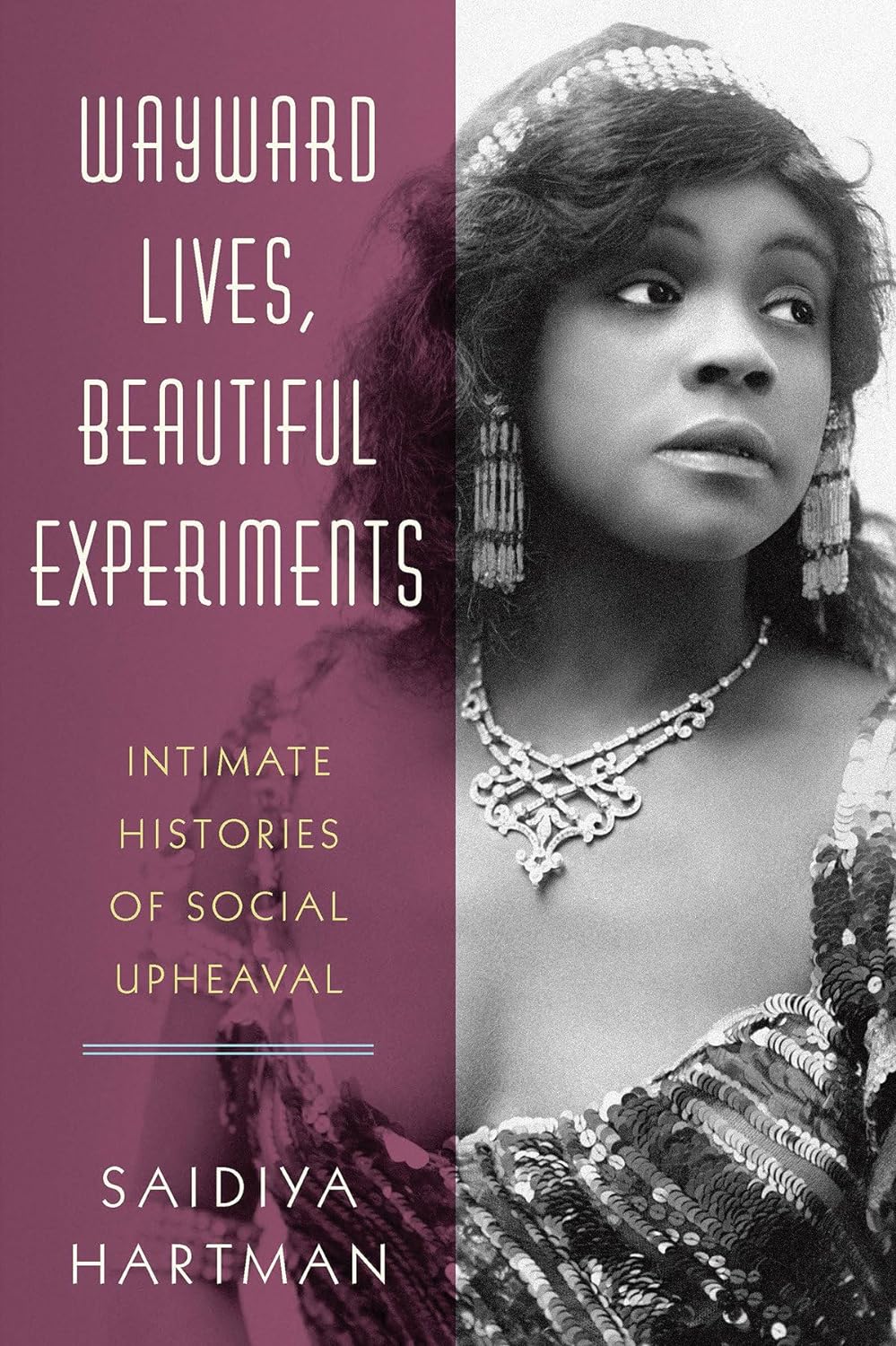
Last week, I was honored to participate in the SLJ webcast, “Fact-Finding and Black History,” a panel discussion with Amina Luqman-Dawson, Lesa Cline-Ransome and James Ransome, moderated by Marva Hinton.  As we discussed how to navigate the challenges of researching Black history, I cited the term, “critical fabulation,” which was coined by MacArthur Fellow Saidiya Hartman, a cultural historian and Columbia University professor. I became acquainted with the term and with Hartman’s scholarship through her award-winning book, Wayward Lives, Beautiful Experiments: Intimate Histories of Riotous Black Gilrs, Troublesome Women, and Queer Radicals (2019). Critical fabulation uses storytelling and speculative narration to right history’s omissions, particularly of enslaved people.
Until I read that book, which melds history and literary imagination, I did not realize I had been practicing critical fabulation at least since my 2006 picture book Moses: When Harriet Tubman Led Her People to Freedom. The poetic biography unfolds in three voices–God’s, Harriet’s and the narrator’s–or four voices if you count that of nature. I continued to invent voices for historical figures in Becoming Billie Holiday; Voice of Freedom: Fannie Lou Hamer, Spirit of the Civil Rights Movement; I, Matthew Henson: Polar Explorer; and BOX: Henry Brown Mails Himself to Freedom. Dabbling with second-person point of view for You Can Fly: The Tuskegee Airmen, I created narrative poems that pushed past the limits of the archive, which invariably fails to value or validate Black lives and Black stories.

My deepest dive into critical fabulation, however, was for the verse novel, KIN: Rooted in Hope, a collaboration with my son, illustrator Jeffery Boston Weatherford. In this family history, we conjure the voices, visages and vistas of our enslaved and newly emancipated ancestors and their contemporaries. As I was writing KIN, I stumbled upon Hartman’s Wayward Lives. Her explanation and application of critical fabulation freed me to reclaim my ancestor’s lost narratives. For that, I am grateful.

WEATHERFORD REPORT: TWO CSK Award Honors, Black History Month (and beyond), School Visits & BROS

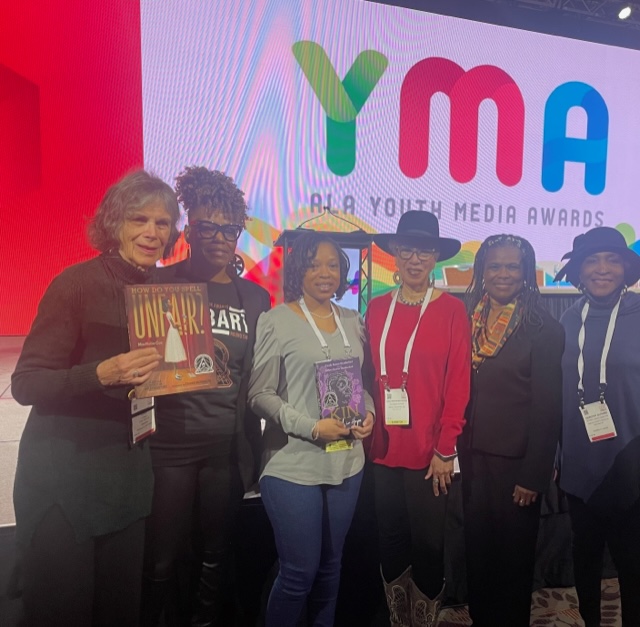
For the first time ever, I attended the American Library Association Youth Media Awards in person. What a thrill to have not one but two books honored. KIN: ROOTED IN HOPE, illustrated by my son Jeffery Boston Weatherford, and HOW DO YOU SPELL UNFAIR? MACNOLIA COX AND THE NATIONAL SPELLING BEE, illustrated by my frequent collaborator Frank Morrison, both won Coretta Scott King Award Author Honors. Thanks to the CSK Award Committee for all the love. And congratulations to all the CSK Award and YMA winners.

This image has an empty alt attribute; its file name is image.png

There were two proud mamas–me and my 98-year-old mother–at the fabulous Reginald F. Lewis Museum book launch and pop-up exhibition for KIN: Rooted in Hope. That event, sponsored by the Roberts Family Foundation, capped our KIN book tour.

In other news, the KIN book tour last fall took us to Baltimore, Salt Lake City, New York, New Orleans and Washington, DC. Not even a library evacuation (bomb scare?) or hurricane could dampen our enthusiasm for sharing KIN, our family’s history, with readers and educators. Thanks to Sankofa Books, King’s English Bookshop, Baldwin & Co. and Books of Wonder for hosting launch events. Our kidlit friends Leah Henderson and Rita Williams-Garcia moderated discussions.

We are excited to be taking KIN home to Easton, Maryland, the verse novel’s setting, on February 23 and 24.

We have several Black History Month appearances planned for Baltimore, Washington, Northern Virginia and Philadelphia. If you are in the DMV or Philly and want to save on travel expenses, we still have openings. Reach out for dates and details.

This leap year adds a day to Black History Month. Rather than cramming Black studies into one short month, use Dawnavyn James’s recent book, BEYOND FEBRUARY: Teaching Black History Any Day, Every Day, and All Year Long, K-3. This instructive guide offers great ideas for using African-American children’s books–including my books, Moses and Unspeakable–in the classroom.

For more on how to approach Black studies, check out Dr. LaGarrett King’s brilliant Teaching Black History Framework. And, download the free annotated bibliography, Black History Books, which compiles links and lesson ideas for books by the Weatherfords.

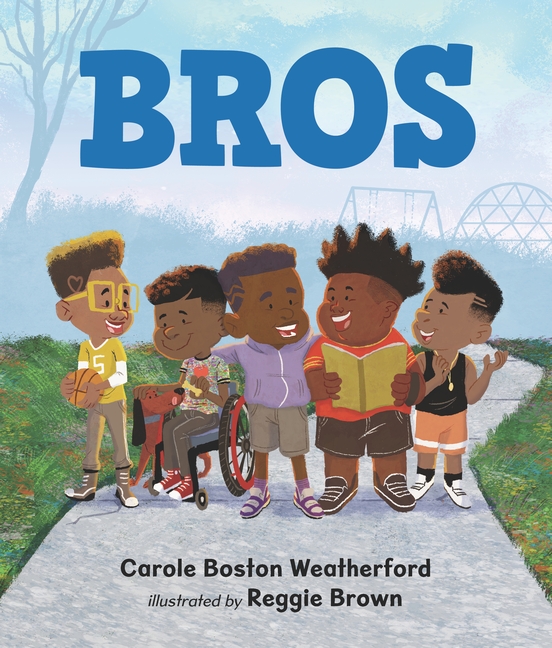
We have several books forthcoming in 2024. The first quarter will see the release of BROS, a poetic picture book celebrating of Black Boy Joy. The book, illustrated by Reggie Brown, is a Junior Library Guild selection. Pre-order BROS now.

Resistance to Enslavement Took Many Forms

When I share books about enslavement with students, some state that they would have revolted or escaped if enslaved. Those options were not the only acts of resistance waged by enslaved people.

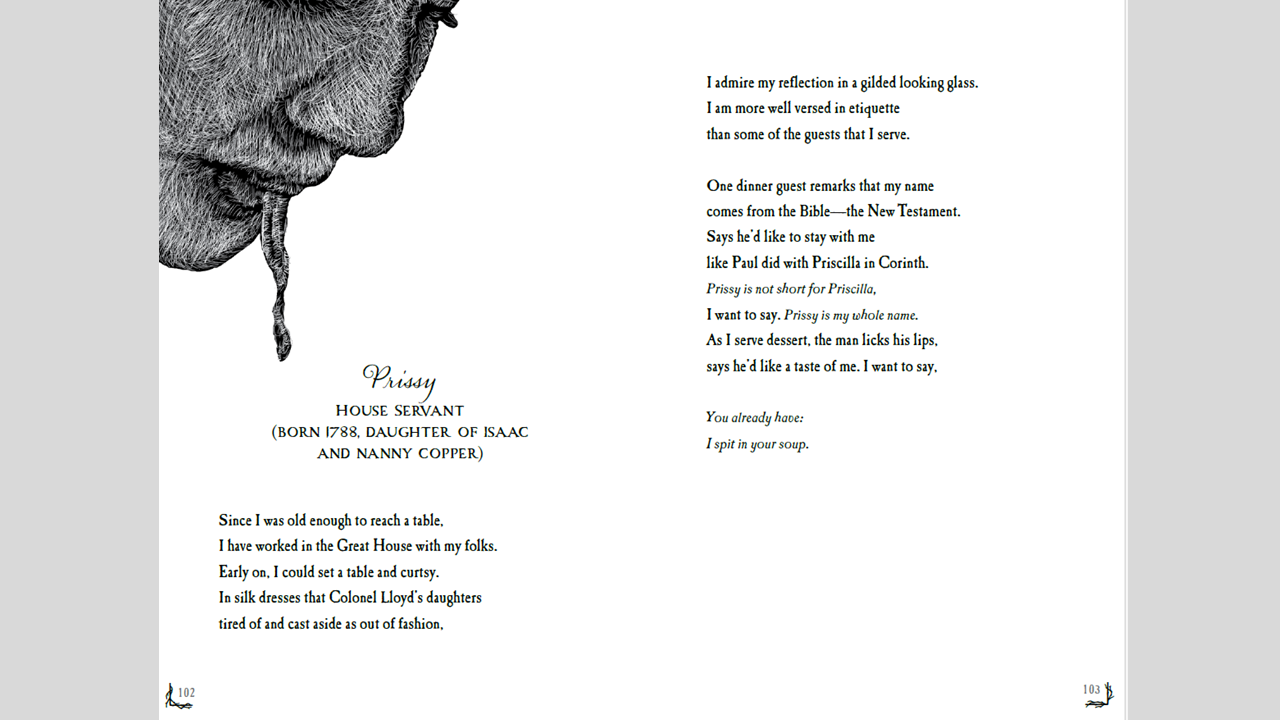
In my verse novel, KIN: ROOTED IN HOPE, illustrated by my son Jeffery Boston Weatherford, we trace our lineage from colonial America to the all-Black, Reconstruction-era villages of Unionville and Copperville that our forebears cofounded. This poem imagines how my ancestor, Prissy Copper, might have resisted while a house servant at Maryland’s Wye House plantation.

Reclaiming History Is Generational Wealth

Art by Jeffery Boston Weatherford from KIN: ROOTED IN HOPE.

October is Family History Month, and true to form, I’m posting one day before it ends. My new verse novel, KIN: ROOTED IN HOPE, is truly a family affair–a family history created by me and my son, illustrator Jeffery Boston Weatherford. The book spans four generations, extending from colonial America to the Jim Crow era. The action is set on Maryland’s largest enslavement plantation and in the all-Black Reconstruction era villages founded by our ancestors.

While my poems conjure ancestral voices and recreate lost narratives, Jeffery’s stunning scratchboard illustrations bring our ancestors, and the adversity they overcame, out of obscurity and life. From plantation ledgers, military records, material culture and the landscape, I learned so much about my forebears, their contemporaries and their milieu. With help from cousins who had done much of the genealogy, I traced my earliest known ancestors, Isaac and Nan Copper, to 1770. Hard as I tried, though, I could not find their/my African origins. When facts proved elusive, I took creative license. Engaging in what scholar Saidiya Hartman terms “critical fabulation,” I pushed past the archive and discovered more than I ever imagined. Here are my key takeaways.

  1. Family is an enduring source of strength.
  2. Names, dates and places form the branches of a family tree. Stories are the leaves.
  3. Reclaiming history is generational wealth. Pass it on!

FREE BOOK IN BALTIMORE: First 125 Registrants Get KIN

KIN: ROOTED IN HOPE, my latest collaboration with award-winning illustrator Jeffery Boston Weatherford, launches Thursday, October 19, 6-9 PM at the Reginald Lewis Museum at 830 East Pratt Street in Baltimore. In KIN, our family’s history unfolds through my poems and my son’s art. The book discussion moderated by Dr. Leslie King Hammond will begin at 7 PM. There will also be a pop-up exhibition of Jeffery’s digital scratchboard art from the book. Register here. The first 125 registrants will receive a free copy of the book. Jeffery and I hope to see you there.

The Weatherford talk KIN on PreserveCast

My son Jeffery and I were recently interviewed by Preservation Maryland President Nicholas Redding on PreserveCast. We discuss our latest collaboration KIN: ROOTED IN HOPE, an illustrated verse novel chronicling our genealogical quest to conjure our ancestors’ voices and visages. The book is set in Talbot County, Maryland, at Wye House, once the state’s largest enslavement plantation, and in the Black, Reconstruction-era villages of Unionville and Copperville, which our ancestors cofounded. KIN releases September 19, 2023. Pre-order here.

9 Powerful Picture Books for Vacation Bible School

Inspirational picture books are great for Vacation Bible School. Follow the links to reading/activity guides for several acclaimed titles.

The Beatitudes: From Slavery to Civil Rights. Inspired by Jesus’s Sermon on the Mount, this book chronicles how African Americans looked to God at every stage of the freedom struggle.

Moses: When Harriet Tubman Led Her People to Freedom. This conductor on the Underground Railroad talked to God as friend to friend.

The Faith of Elijah Cummings: The North Star for Equal Justice. The late congressman’s faith in God fueled his activism and his ambition.

R-E-S-P-E-C-T: Aretha Franklin, The Queen of Soul. Raised in the church, the R&B legend gave concerts to benefit the Civil Rights Movement.

How Sweet the Sound: The Story of Amazing Grace. The rhyming text chronicles the history behind the timeless hymn.

Oprah: The Little Speaker. The media mogul from rural Mississippi got her start speaking in church. Kids can follow in Oprah’s footsteps by memorizing 

Be a King: Dr. Martin Luther King, Jr.’s Dream and You. A litany for young people on serving others.

By and By: Charles A. Tindley, The Father of Gospel Music. This founding father of gospel music composed 30-plus hymns that are still popular today. Sing a few. gospel_music_lesson-plan

Download