Carole Boston Weatherford & Jeffery Weatherford, author-illustrator, mother-son duo behind children's and young adult books: diverse, anti-racist nonfiction, biographies, poetry, historical fiction on African American heritage, culture, social justice. STEAM programs for K-12 and all ages.
New York Times bestselling author of more than 50 books for children and young adults. My books have scores of literary awards, including a Newbery Honor, 3 Caldecott Honors, mulitple Coretta Scott King, SCBWI Golden Kite, Arnold Adoff Poetry awards and honors and North Carolina Juvenile Literature Award, the Charlotte Zolotow Award, Jefferson Cup, Lee Bennett Hopkins Poetry Award, Jane Addams Children's Literature Honor. Recipient of the North Carolina Literature Award and two NAACP Image Awards, Carole is a Professor at Fayetteville State University where she has been recognized with the University of North Carolina Board of Governors Excellence in Teaching Award. She often collaborates with her son, Jeffery Weatherford, an award-winning illustrator and performance poet.
While the #MeToo movement rocked Hollywood, I noticed teens of all ethnicities rocking Marilyn Monroe gear. The seeming irony led me to re-examine the 1950s sex symbol and to write Beauty Mark: A Verse Novel of Marilyn Monroe.
My research found a woman who was so much more than the blond bombshell she portrayed. In the book, Monroe emerges as a feminist, businesswoman and ally, who spoke up against sexual harassment, rebelled against the studio system, started her own production company, and used her clout to fight racism.
Beauty Mark, the first young adult book about Monroe, reveals that Marilyn’s relevance is as enduring as her allure.
My picture book biographies are encomia–also known as paeans or praise songs.
My biographies have sung the praises of divas, athletes, jazz legends, photographers and freedom fighters, among them Harriet Tubman, saxophonist John Coltrane, the Obamas, and most recently, Aretha Franklin. I paint my subjects as they might wish to be seen.
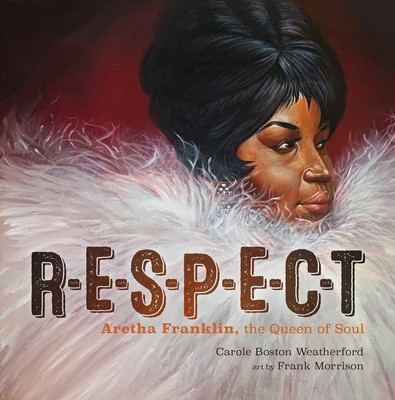
Often, my encomia take cues from the subjects themselves. R-E-S-P-E-C-T: Aretha Franklin, Queen of Soul, illustrated by Frank Morrison, riffs on, and takes its title from, Aretha’s 1967 hit.
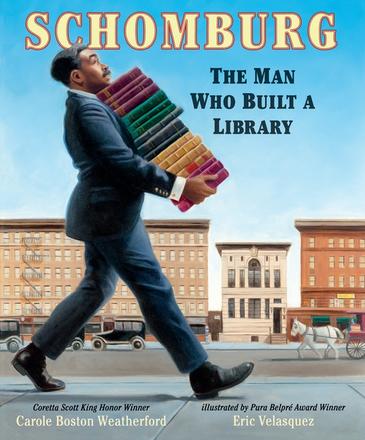
Vivid verbs rev up Racing Against the Odds: The Story of Wendell Scott, Stock Car Racing’s African-American Champion, illustrated by Eric Velasquez.
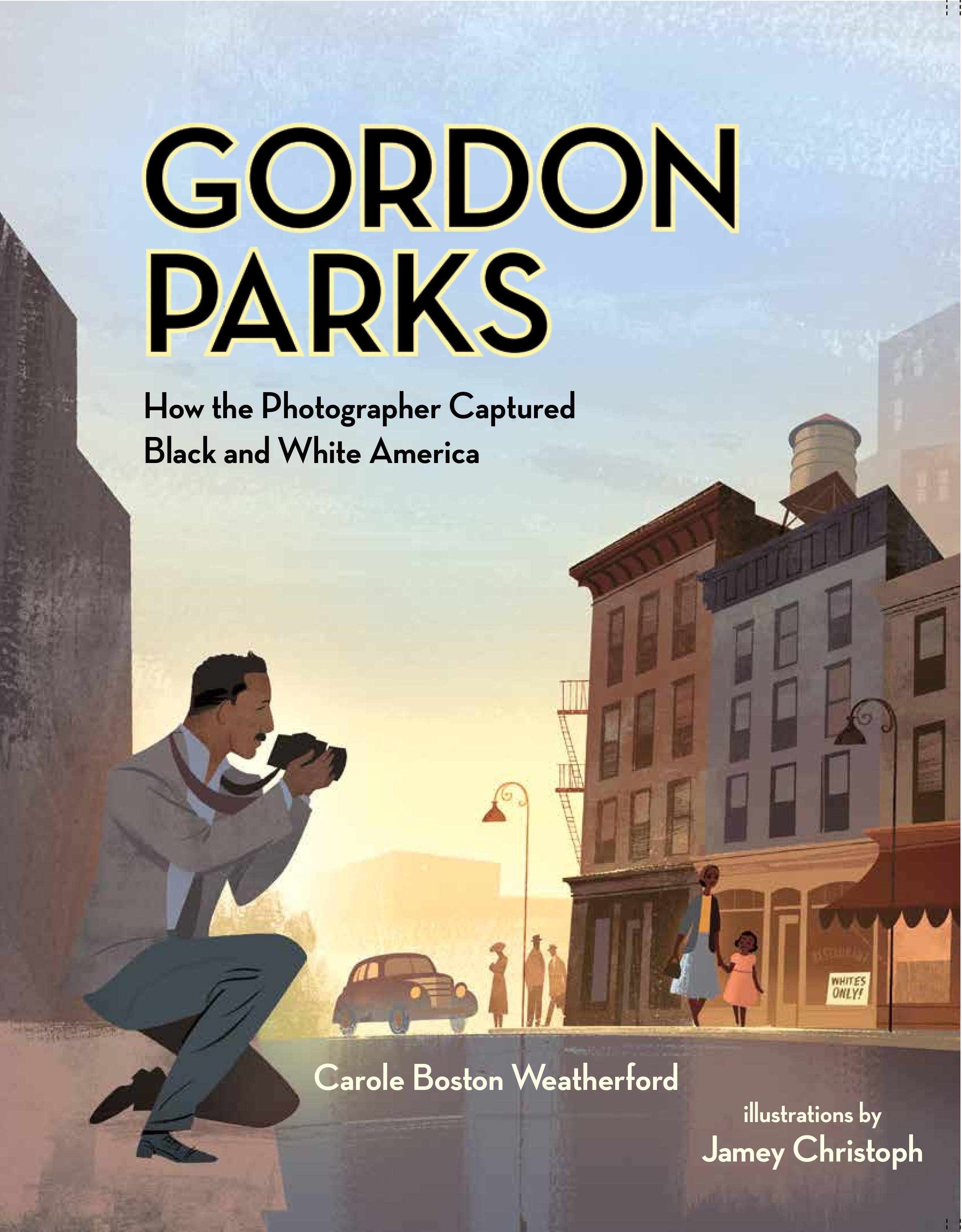
And my biographies of photographers are deliberately cinematic.
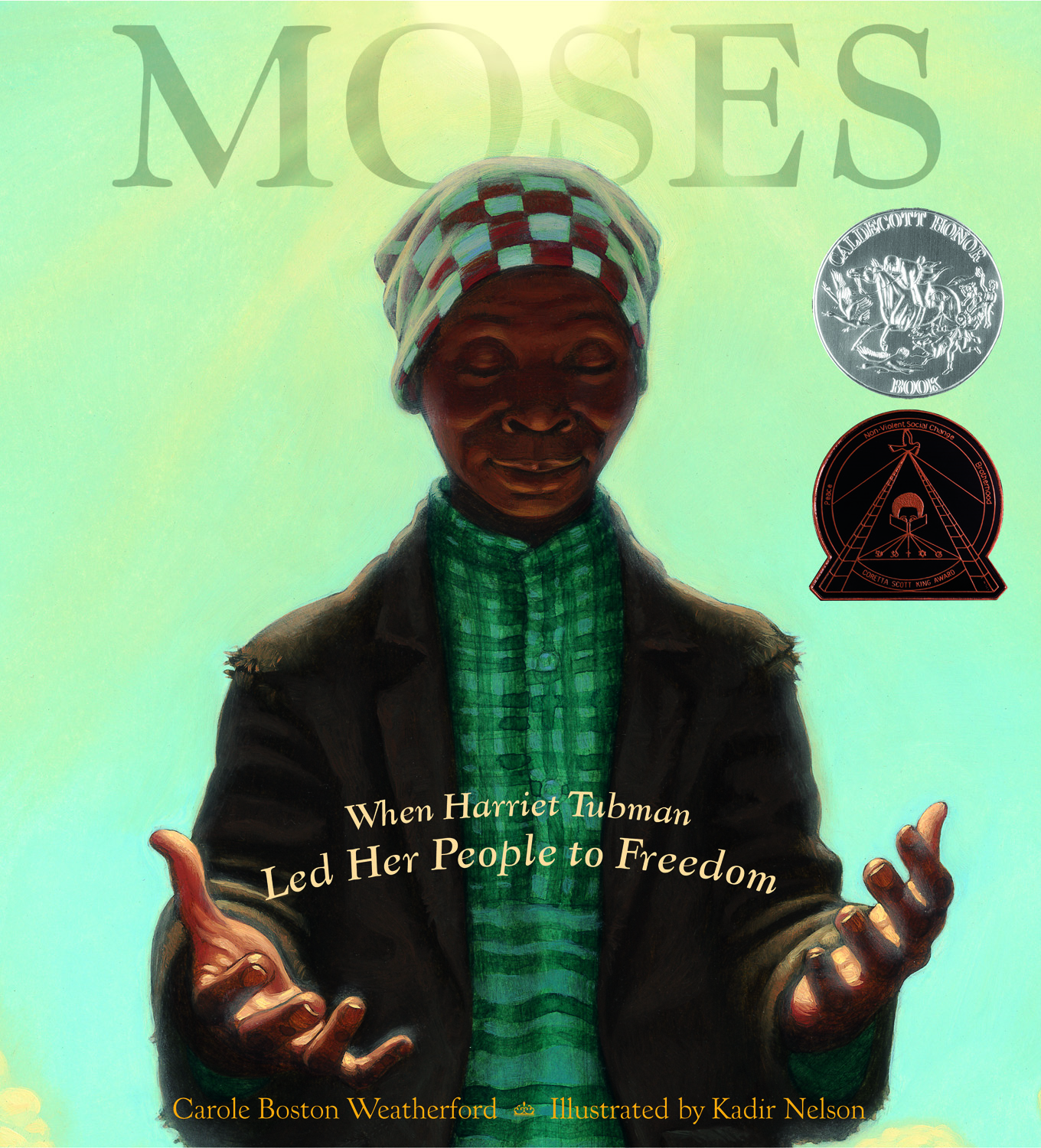
My classic biography, Moses: When Harriet Tubman Led Her People to Freedom, illustrated by Kadir Nelson, follows Harriet’s spiritual quest. With allusions to African-American spirituals, the narrative unfolds through conversations between Harriet and God.
Stay tuned for my first encomium to a writer, and more to women leaders and to natives of Maryland and North Carolina, states I call home.
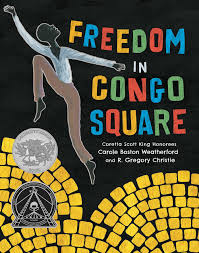
A teacher friend told me that Freedom in Congo Square was the first book that one struggling student learned to read. The student’s mother, also a teacher, cried as her daughter read aloud. No doubt, the book’s interactive elements played a part in this small victory. Interactivity fosters reading comprehension and fluency.
My interactive books fall under three categories: books with rhyming refrains, books with call-and-response, and books with hooks. These structures engage listeners during read-alouds.
Refrains Like Playground Rhymes
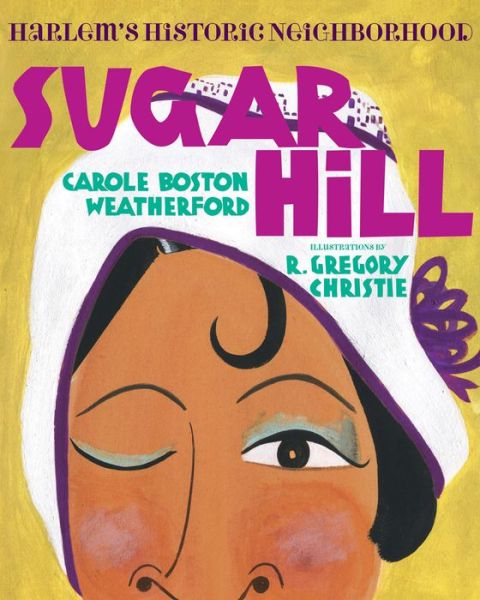
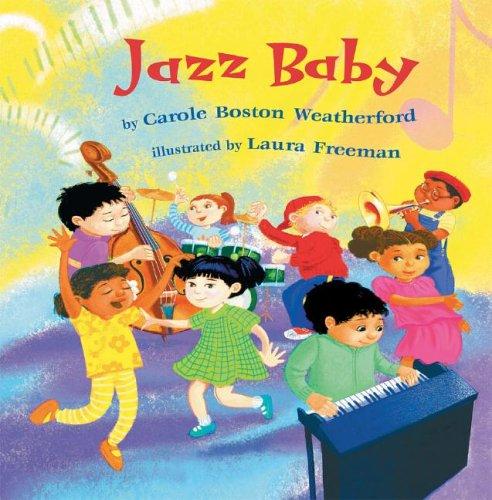
In Jazz Baby and Sugar Hill: Harlem’s Historic Neighborhood, the catchy refrains are reminiscent of nursery or playground rhymes.
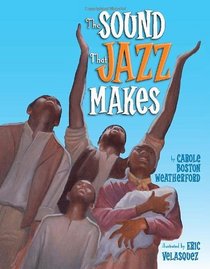
Both Sugar Hill and Jazz Baby use repetition to celebrate Black culture. The recurring line “Sugar Hill, Sugar Hill where life is sweet” conveys Harlem’s energy. “Jazz baby, jazz baby” signals the interplay between musicians and listeners. One toddler loved Jazz Baby so much that he slept with the book.
Call-and-Response
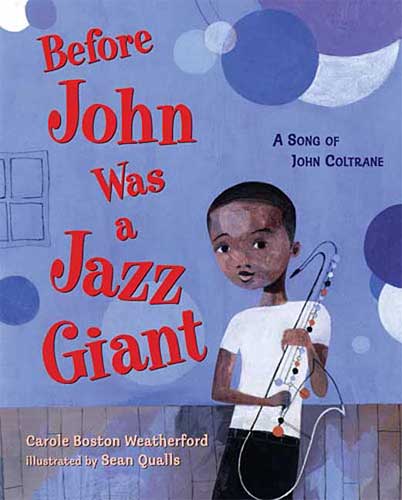
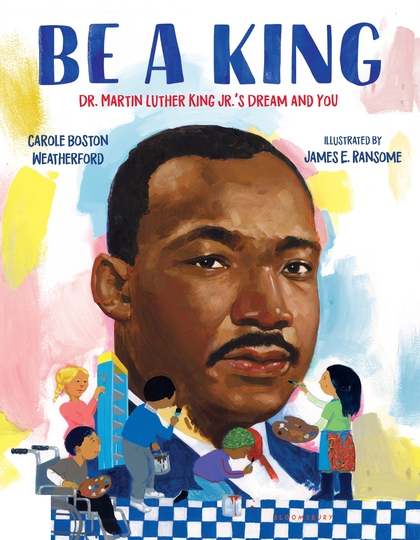
Before John Was a Jazz Giant: A Song of John Coltrane and Be a King: Dr. Martin Luther King, Jr.’s Dream and You are free verse poems that use repetition to invite choral reading.
With the phrase, “You can be a King,” this un-biography lifts up leadership traits that students can emulate. Before John Was a Jazz Giant, also repeats part of its title to conjure the sounds of Coltrane’s childhood.
Books with Hooks
Freedom in Congo Square, The Roots of Rap: 16 Bars on the 4 Pillars of Hip Hop, and R-E-S-P-E-C-T: Aretha Franklin, Queen of Soul all have hooks inspired by the subject matter.
The Roots of Rapis written as a rap lyric. Freedom in Congo Square is a day-of-the-week countdown celebrating a New Orleans landmark. And R-E-S-P-E-C-T echoes Aretha Franklin’s hit song, using hyphenated terms such as T-A-L-E-N-T and P-R-O-U-D to chart her journey from the church choir to international fame.
Young readers often put these infectious read-alouds on repeat and soon memorize the verses. So, these interactive texts virtually read themselves.
These books have won more awards, including Caldecott Honors, Coretta Scott King Awards and Honors, NAACP Image Awards, North Carolina Juvenile Literature Awards, and Arnold Adoff and Lee Bennett Hopkins poetry prizes and awards from the National Council for the Social Studies, International Literacy Association, Society of Children’s Book Writers and Illustrators, Cooperative Center for Children’s Books, and Bank Street College of Education. These and other titles have garnered more best-book-of-the year nods than I can name.
The greatest reward, though, is knowing that my books are raising the consciousness of children whom I may never meet. Young readers who are moved to write their own poems and tell the own stories to build a better world.
There are no shiny stickers for that. Just a warm feeling inside. I call it “hope.”
My verse biographies profile women whose voices have been marginalized or muted, women whose stories have been twisted or buried, women who broke barriers and paved a way out of no way, women I’d like to sip tea or share a meal with. They are my #SHEROES.
I was honored to share By and By during the Black History moment for Fayetteville State University Sunday at John Wesley United Methodist Church in Fayetteville, NC. The FSU Concert Choir sang and Chancellor Peggy Valentine delivered the message. It was a moving service.
A college student in a public history course was so inspired by Fannie Lou Hamer’s legacy of activism that he led the charge for an historical in her hometown of Sunflower County Mississippi. It’s about time! Read more here.